
If your SNAP benefits didn’t reload as expected after the recent shutdown, you’re not the only one trying to figure out what changed. Over the past few days, many households across states like California and Michigan have reported delays, missing deposits, or requests for additional verification.
Even though services are technically back online, that doesn’t always mean everything returns to normal immediately. Some accounts are still being reviewed, and small errors can now cause bigger delays than usual.
What to check first in your account
Before assuming something is wrong, log into your account whether it’s BenefitsCal or MI Bridges and take a close look at your current status.
Check for any alerts or notices, especially messages asking for documents or updates. These are often labeled as “Requests for Information,” and ignoring them can freeze your benefits without much warning.
Also review:
- Your last deposit date
- Your current balance
- Any pending application or renewal status
This is where many users get stuck they assume the system is delayed, when in reality there’s a small issue blocking the payment.
If your benefits are missing or delayed
If your expected payment hasn’t arrived, don’t wait too long to act.
Start by confirming that your case is still active. If everything looks normal but your balance is still $0, try these steps:
- Double-check that all required documents have been submitted
- Look for any recent changes in income or household size that may have triggered a review
- Contact your local benefits office if there are no visible alerts
In some cases, benefits are delayed simply because accounts are being reprocessed after the shutdown. But in others, a missing document or unreported change can stop payments entirely.
Where to get help while you wait
If you’re stuck waiting, don’t rely only on SNAP or WIC catching up in time.
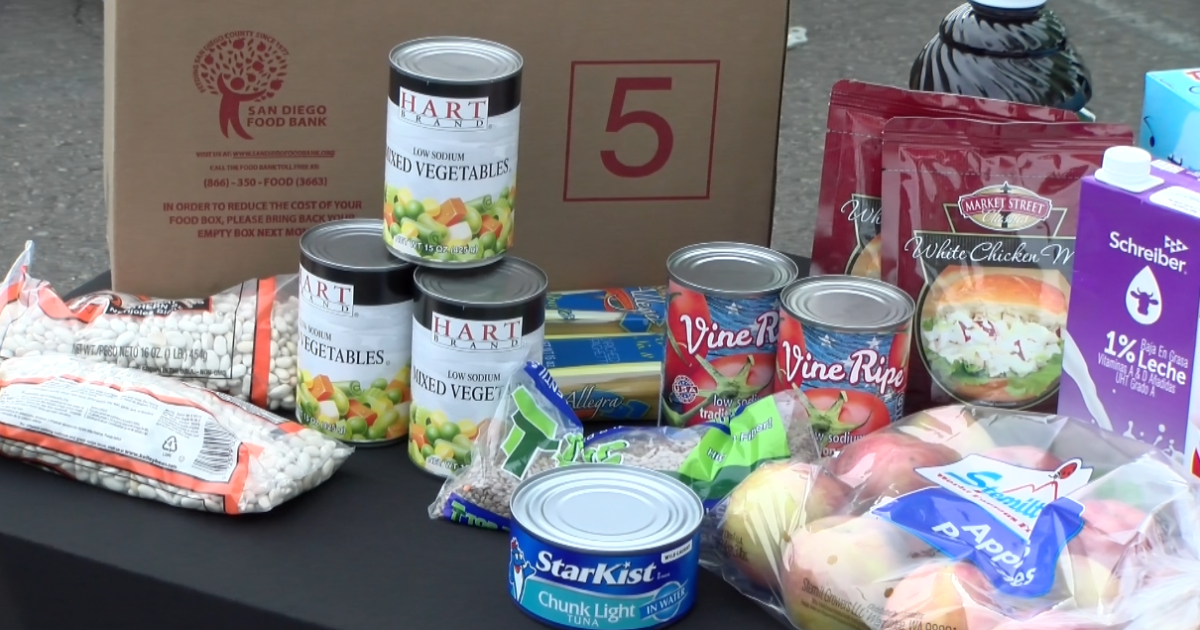
Local food banks and community programs are still one of the fastest ways to get immediate help. Many organizations have increased availability specifically because of recent disruptions.
WIC users should also check if their local office is offering additional nutrition support or temporary adjustments, especially for families with young children.
Most people don’t realize how many local resources are available until they actually need them this is the moment to use them.
Common mistakes that can delay your benefits
A lot of delays right now are being caused by small but avoidable issues.
Some of the most common ones include:
- Ignoring verification requests in your online account
- Assuming eligibility hasn’t changed without checking
- Forgetting to report income updates
- Not renewing benefits on time after the shutdown period
These might seem minor, but after a system disruption, they can lead to longer delays than usual.
Why things are still unstable after reopening
Even though federal funding has resumed, systems don’t reset instantly. State agencies are processing backlogs, reviewing cases, and dealing with a higher volume of logins and updates.
That combination often leads to:
- slower processing times
- more frequent account reviews
- temporary inconsistencies in benefit amounts
For many households, this means being more proactive than usual just to keep benefits running smoothly.
If something doesn’t look right in your account this week, don’t ignore it. Checking your status now or responding to a simple request can be the difference between receiving your benefits on time or waiting another full cycle.