
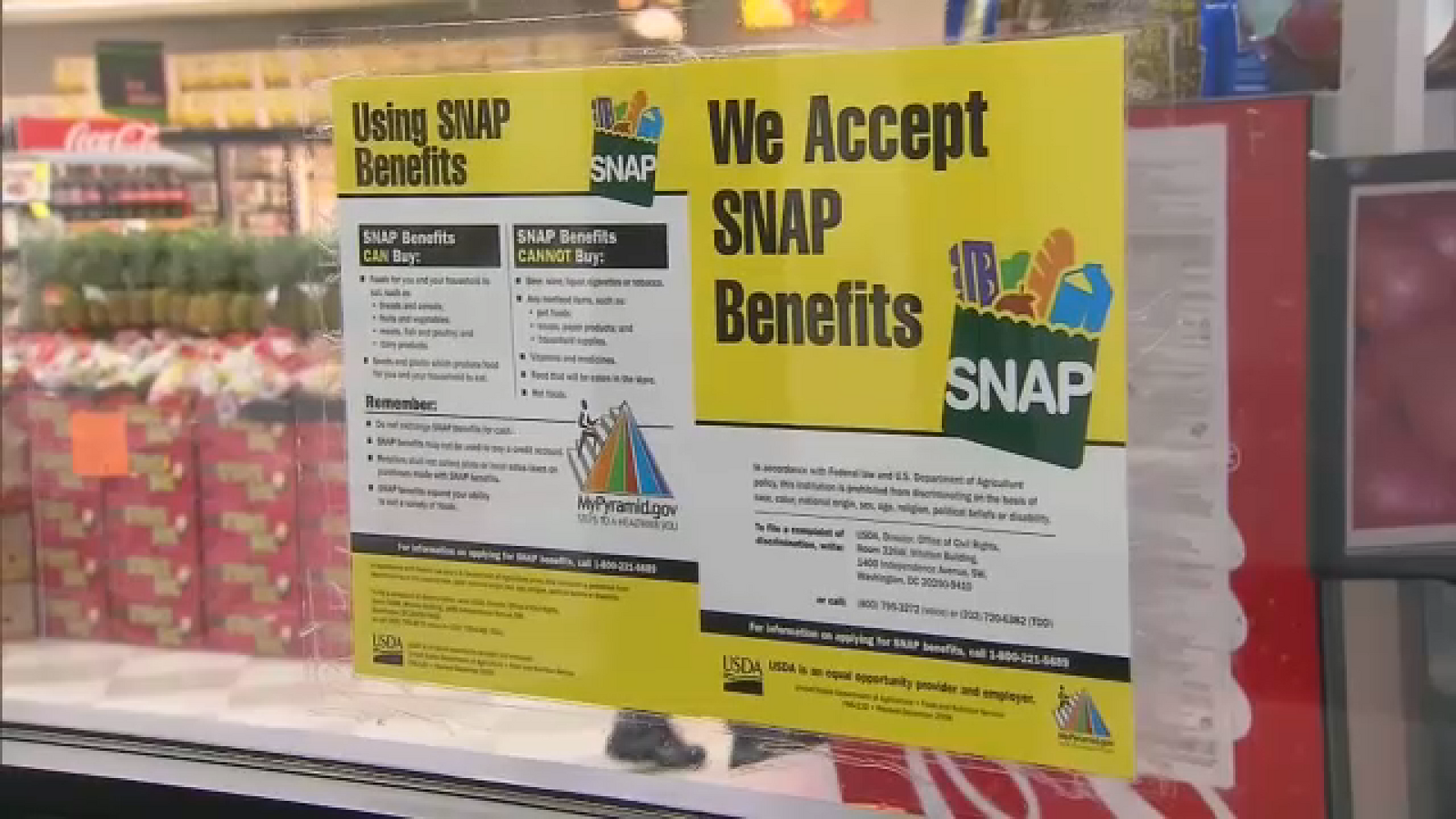
Texas SNAP recipients are heading into April 2026 with growing confusion about potential changes to their benefits. While some online claims suggest major restrictions on what can be purchased, there is no confirmed statewide policy banning specific food categories under the Lone Star Card program.
What is changing and what’s causing real issues is how benefits are processed, renewed, and monitored through the YourTexasBenefits system. For many households, the biggest risk right now isn’t what you can buy, but whether your benefits arrive on time at all.
What You Should Check Right Now
If you rely on SNAP in Texas, there are a few immediate steps you should take to avoid disruptions this month.
First, log into your YourTexasBenefits account and review your case status. Look specifically for any alerts, messages, or “Requests for Information.” These notices often appear quietly in the dashboard and can freeze your benefits if ignored.
Second, verify that your personal information is up to date. A recent change in income, address, or household size can trigger a manual review. Even small updates can delay your April deposit if they haven’t been processed yet.
Third, check your renewal date. Many recipients are entering recertification cycles in early 2026, and missing a deadline even by a few days can temporarily stop your benefits.
Finally, monitor your Lone Star Card balance on your expected deposit date. If your funds do not appear, don’t assume it’s a system-wide issue. In many cases, delays are linked to individual account reviews rather than statewide outages.
Why Some Payments Are Being Delayed
Most delays right now are not caused by policy changes, but by administrative and technical factors inside the system.
One of the most common issues is incomplete documentation. If Texas Health and Human Services (HHS) requests proof of income or identity and it isn’t submitted on time, your case may remain in “pending” status.
Another frequent cause is system backlog. With high application volumes and ongoing renewals, processing times can stretch longer than expected, especially in large counties.
Account access problems are also playing a role. Users who cannot log into YourTexasBenefits often miss critical notices, leading to preventable delays.
In some cases, fraud prevention checks may temporarily hold benefits while transactions or account activity are reviewed.
When to Contact Support
If you’ve completed all required steps and your benefits still haven’t arrived, it’s time to contact support directly.
You should call the Lone Star Help Desk or your local HHS office if:
- Your balance remains at $0 after your scheduled deposit date
- Your account shows “approved” but no funds are available
- You cannot access your account after multiple login attempts
- You submitted documents but your case has not updated after several days
When calling, have your case number and identification ready. This can significantly reduce wait times and help resolve your issue faster.
Common Mistakes That Can Cost You Benefits
Many SNAP interruptions are avoidable. The most common mistakes include ignoring online notices, assuming renewals are automatic, and waiting too long to respond to document requests.
Another frequent issue is relying only on mail notifications. In 2026, most updates are delivered digitally through the YourTexasBenefits portal, and missing these alerts can delay your benefits by weeks.
Some users also wait too long to report changes, which can create discrepancies in their case and trigger additional reviews.
What This Means for April 2026
For most Texas households, SNAP benefits are still active and available but they require more active management than before.
The system is shifting toward stricter verification and more frequent account checks, which means users need to stay engaged with their accounts regularly. Even checking your profile once a week can help you catch issues early and avoid disruptions.
The bottom line is simple: your benefits are not being restricted, but they are being monitored more closely. Staying proactive is the best way to ensure your household continues receiving the support it depends on.