
⚠️ Help for California Residents:
California Affordable Housing Crisis: What You Need to Know
- Housing Affordability: California faces severe challenges with housing costs affecting low-income families.
- Section 8: Funding uncertainties threaten the availability of crucial housing vouchers.
- Impact of Tariffs: Increased construction costs hinder the development of affordable housing projects.
- Local Responses: County housing authorities are experiencing staffing and processing challenges due to federal budget cuts.
Understanding the Housing Landscape in California
California is grappling with a severe housing affordability crisis, impacting millions of families. In cities like San Francisco, the median cost for a one-bedroom apartment has soared above $3,000, putting an immense strain on low-income households. For many, the Housing Choice Voucher Program (Section 8) offers a lifeline, allowing families to pay only 30% of their income towards rent.
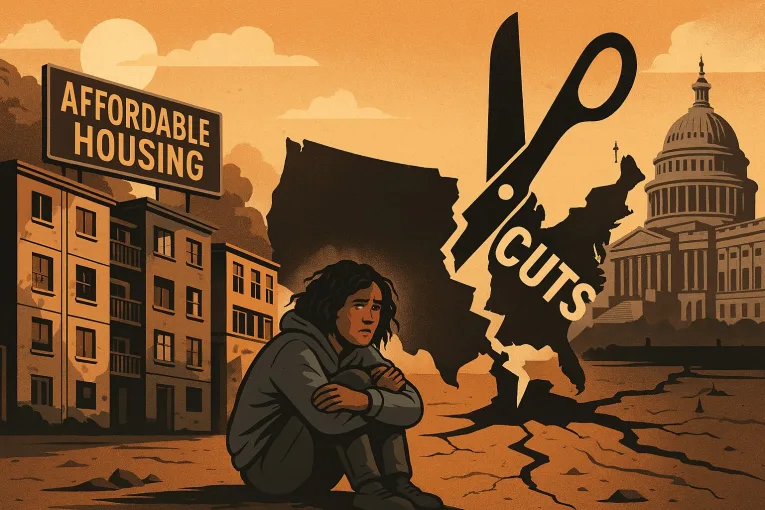
However, recent federal budget proposals have raised alarm about possible cuts to funding from the U.S. Department of Housing and Urban Development (HUD). If funding decreases, many families could face eviction or homelessness, particularly in vulnerable communities.
The Role of Section 8 in California
Section 8 has long served as an essential support system for low-income families in California. Families enrolled in this program rely on it to manage rising rents. However, local housing authorities, including the Los Angeles Housing Authority, have begun pausing new applications amid budget uncertainties, signaling that new recipients may not be served.
The risk is palpable; when funding for Section 8 runs dry, many families, already living paycheck to paycheck, may find themselves pushing into temporary shelters or even living in cars. Areas such as Bayview-Hunters Point report that as many as one in three households depend on these vouchers.
Construction Costs and Their Implications
In addition to funding cuts, rising tariffs on construction materials pose a substantial threat to the development of new affordable housing. The lack of affordable housing options exacerbates the existing crisis, as developers struggle with increased costs for essential materials like steel and lumber. In California, it’s estimated that these tariffs could add upwards of $10,000 to the cost of building a single housing unit.
With many developers already feeling the strain, cutting funding or freezing contributions could result in the cancellation of planned projects vital for low-income communities. These developments often rely on public funding and subsidies to remain viable.
Local Agencies and Their Challenges
The responsibilities of processing and overseeing crucial housing programs fall on local agencies, including the California Department of Social Services (CDSS). However, proposed budget reductions threaten to cut HUD’s workforce by over 50%. This not only risks delays in processing rental subsidies but also impacts the enforcement of housing rights and emergency responses to disasters.
It’s clear that the potential loss of HUD staff will hinder efforts to maintain existing housing stocks and respond effectively to community needs. For California, losing these crucial federal partnerships could lead to the disruption of tens of thousands of affordable housing units.
What Can You Do?
-
Stay Informed: Regularly check updates from local housing authorities and the CDSS to know your rights and available resources.
-
Engagement: Engage with community organizations focused on housing support and advocacy. They are often at the forefront of fighting against cuts and lobbying for better policies.
-
Advocacy: Contact your local representatives to express your concerns about budget cuts affecting housing support programs. Voice your support for maintaining and increasing affordable housing initiatives.
- Know Your Benefits: If you’re struggling, directories for resources like SNAP can assist with food security. For issues regarding your EBT card, check the latest updates to ensure you aren’t left without necessary support.
Frequently Asked Questions
-
What happens if my Section 8 application is delayed in California?
- Reach out directly to your local housing authority to understand your application’s status and ask about alternative housing support options in the meantime.
- How can I learn more about affordable housing developments in my area?
- Local housing agencies, community groups, and online platforms offer detailed insights into current and upcoming projects.
For California residents, the fight for affordable housing remains urgent. With external pressures like federal budget cuts and escalating construction costs, immediate action is necessary to safeguard the future of housing in our communities.
Important Disclaimer:
Factory News USA is a private independent news website. We are not affiliated with, authorized, or endorsed by the United States Government, the Social Security Administration (SSA), the Department of Human Services (DHS), or any other federal or state agency.
The information provided is for educational and journalistic purposes only. For official applications, eligibility requirements, and legal advice, please visit the official government portals at benefits.gov, ssa.gov, or usa.gov.